
An underactive thyroid. Autoimmune disease. Adrenal dysfunction.
I live with chronic illness.
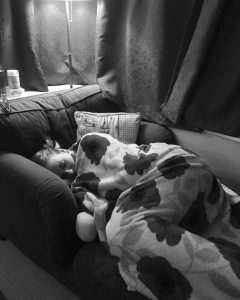
When your health conditions not only make you go from full-time to part-time working hours, but even make you crash once home after your first working day of a part-time week.
When other people in their early twenties are able to go out in the evenings, see friends and family, partake in a hobby at home or even just watch Netflix, and I can’t even keep my eyes open to do that past 6pm. On part-time working hours in a sedentary office job.
I’ve spent all day in a haze of brain fog, carrying around a dead weight of a body, feet that don’t want to move and an aching body that I can only compare to the swine flu I had.
My health will always be up and down, it’s the nature of the conditions, but I’ve been living in a chronically ill body for a good few years now and it never gets easier accepting that your mind and body work at different paces and that most people just think that my health conditions mean I have a good excuse to be overweight or lazy.
They don’t see how much it really can alter your life.
People with these kinds of conditions live in bodies much older than they ‘should’. Days ruled by limited energy levels, body pain and so much more.
Social media often shows just the best selection of our lives, which obviously isn’t accurate. This is the truth we often don’t see.
Do you ever post honestly about your health online?
Please remember that if you’re a thyroid patient living with poor mental health or lingering physical symptoms, that you don’t have to live this way. To address why you may still be feeling unwell (often despite being on thyroid medication too), please see this article and go through each suggestion, putting your thyroid jigsaw back together.
***
The following link has been sponsored BY Regain.us
What goes on behind close doors when living with chronic illness can also affect our relationships with friends and family. Spouses may need to pick up more housework, life admin and take more responsibility for general running of the house and/or family. If you feel as if you may benefit from couples counselling for this transitional period, please see https://www.regain.us/start/
You can click on the hyperlinks in the above post to learn more and see references to information given.
 See also:
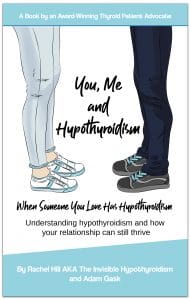
The book You, Me and Hypothyroidism: When Someone You Love Has Hypothyroidism, it talks about managing relationships when one half of a couple has hypothyroidism.